What Is Mafia Romance in Short Drama Stories?
If you're asking what is mafia romance, the simplest answer is: it is a love story where organized crime, family loyalty, and danger shape who the characters can love and what it costs them. In short dramas, that usually means fast conflict, intense attraction, and high-pressure choices instead of a slow, ordinary courtship.

What Defines Mafia Romance?
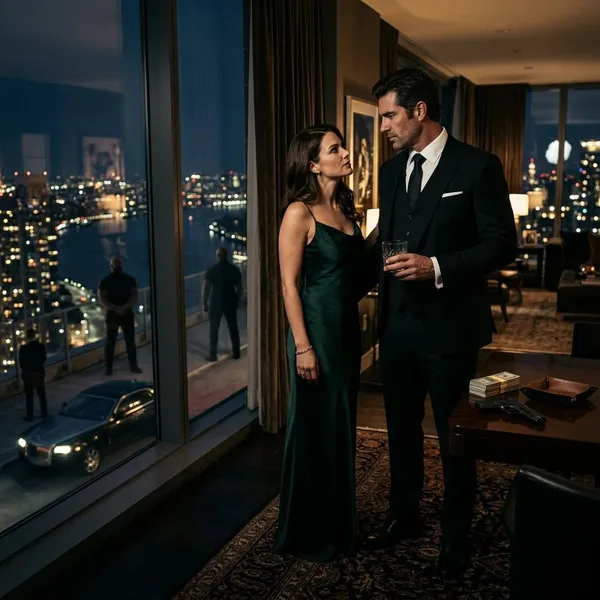
Mafia romance is not just romance with a few guns, suits, or nightclub scenes added for style. The criminal world has to affect the relationship directly: who has power, who owes loyalty, who is in danger, and what happens if the couple chooses each other.
For a short drama viewer, the quickest way to recognize the genre is to ask three things: is one lead tied to organized crime, does family or syndicate loyalty limit the romance, and does love create real risk? If the answer is yes, the story is probably using mafia romance as its core engine.
A love story tied to organized crime
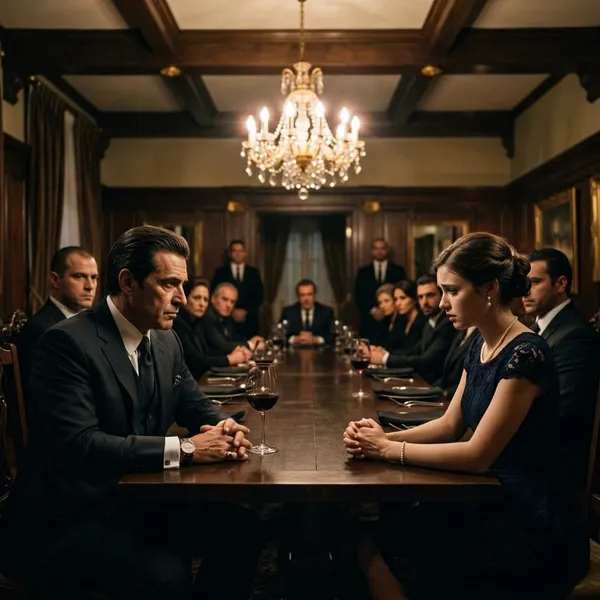
The romance usually involves a don, heir, enforcer, bodyguard, mafia daughter, rival-family member, or outsider pulled into a criminal world. The exact group may be fictional, but the story depends on hierarchy, secrecy, protection, threats, and deals made behind closed doors.
This is what separates mafia romance from ordinary romantic suspense. A secret meeting is not only romantic; it may look like betrayal. A wedding is not only personal; it may settle a feud or strengthen an alliance. Even a quiet confession can change the balance of power around the couple.
Family loyalty shapes the relationship
Family loyalty is often the pressure point that makes the romance difficult. A heroine may be expected to marry for peace, a hero may be ordered to protect someone he should not love, or both leads may inherit a feud they did not start. The practical question is never only "Do they like each other?" It is also "Who will punish them if they choose each other?"
Power and danger raise the stakes
Power in mafia romance can be physical, financial, emotional, or social. One character may control guards and territory; another may hold a secret, a child, a family name, or information that could ruin someone. That imbalance is why the genre can feel thrilling, but it is also why tone matters.
Common Mafia Romance Tropes
Mafia romance uses familiar tropes because they create conflict quickly, which suits short dramas well. A viewer can understand the emotional stakes within minutes: someone is promised, trapped, hunted, lied to, or forced to trust the wrong person.
Arranged marriage and family alliances
An arranged marriage can end a feud, repay a debt, secure territory, or keep two families from going to war. The couple may begin as strangers or enemies, but they are forced to perform unity before they actually trust each other.
This trope works especially well in short dramas because it removes the slow setup. The question becomes immediate: will duty stay cold and political, or will the characters build something real inside a deal they did not choose?
Forbidden love between rival families
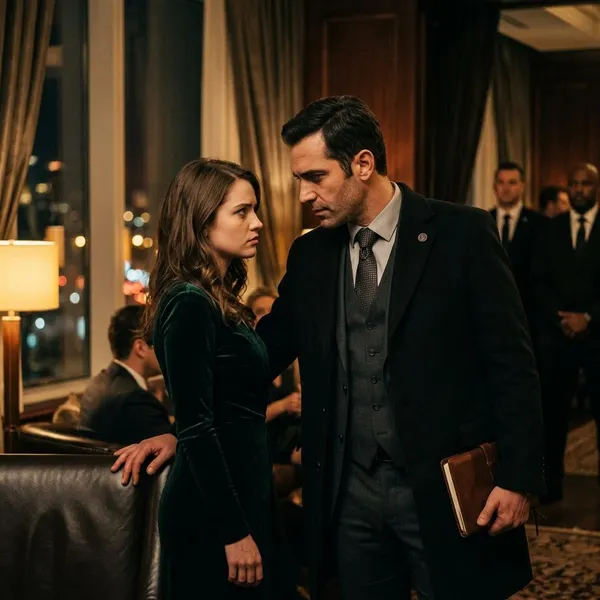
Rival-family romance turns attraction into a loyalty test. A private message, a secret rescue, or one merciful choice can be treated as betrayal by both sides.
For viewers who like emotional conflict more than action, this is often one of the strongest setups. The couple is not only risking heartbreak; they may be risking family war, exile, or revenge.
Captivity and forced proximity
Captivity and forced proximity can range from protective to very dark. One version has a lead hiding someone from outside danger; another has a character trapped, threatened, or controlled by the person who later becomes the romantic interest.
Before watching this type of story, check the description or early tone carefully if coercion bothers you. "He keeps her safe because enemies are coming" feels very different from "he removes her choices until she depends on him," even though both may be marketed with similar images.
Hidden identities and secret children
Secrecy fits naturally in a mafia setting, so hidden surnames, disguised heirs, undercover motives, and secret children appear often. These twists are useful because they damage trust at the exact moment the couple may be getting closer.
A secret child plot usually adds a second kind of pressure: the romance is no longer only about desire or revenge. Someone vulnerable may need protection, which can force enemies to cooperate before they are emotionally ready.
Enemies becoming lovers
Enemies-to-lovers is common because mafia romance already gives the characters reasons to distrust each other. They may be on opposite sides of a feud, linked by revenge, or forced into the same house after a violent event.
- First, the story gives them a reason to hate or fear each other.
- Then, repeated danger forces them to see each other more clearly.
- Finally, one choice proves whether loyalty has shifted from family orders to the relationship.
The trope only pays off when the change feels earned. If suspicion turns into trust without a real sacrifice, apology, rescue, or truth reveal, the romance can feel rushed rather than intense.
Is Mafia Romance Always Dark?
No. Mafia romance can be lighter romantic suspense, full dark romance, or somewhere between the two. The setting is dangerous either way, but the difference is how the story treats control, consent, violence, and emotional safety.
Lighter stories focus on protection and trust
Lighter mafia romance still uses danger, but the relationship usually has a safer emotional center. The powerful lead may be ruthless toward enemies while showing restraint, patience, or honesty with the romantic partner.
This is often the better entry point for a first-time viewer who wants intensity without feeling trapped in a bleak story. Look for signals such as mutual choice, protective action without constant threats, and trust that grows through kept promises rather than fear.
Darker stories explore control and coercion
Darker mafia romance leans into obsession, captivity, manipulation, forced marriage, punishment, revenge, or emotional dependency. These stories are not trying to model a healthy real-life relationship; they use fiction to explore unsafe power dynamics from a distance.
If you are sensitive to coercion, violence, or non-consensual situations, do not rely on the mafia label alone. Check content warnings, comments, or the opening episodes before committing. A stylish poster can hide a much harsher story than the title suggests.
- Choose lighter mafia romance if you want danger outside the couple and trust inside the couple.
- Choose darker mafia romance if you knowingly want taboo tension and morally messy choices.
- Skip or pause if the power imbalance stops feeling exciting and starts feeling unpleasant.
Why Viewers Enjoy Mafia Romance
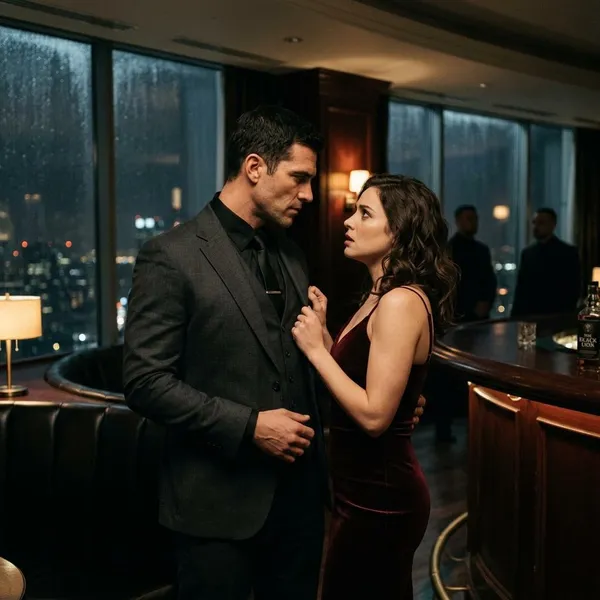
The appeal is not only that the characters are dangerous or wealthy. Mafia romance makes love feel harder to earn because every soft moment happens against pressure: family orders, rival threats, old revenge, hidden motives, or fear of betrayal.
Danger heightens romantic tension
Danger makes ordinary romantic gestures feel bigger. A character taking a risk to protect someone, lying to their own family, or walking into enemy territory for one person can carry more weight than a simple confession.
That is why mafia romance often uses cliffhangers so well. A rescue, threat, betrayal, or sudden reveal keeps the romance tied to action instead of letting it sit in safe, predictable scenes.
Divided loyalties make love harder
The couple often has to choose between blood family, criminal duty, revenge, survival, and desire. Those choices reveal character quickly. A lead who says "I love you" is less convincing than a lead who gives up leverage, refuses an order, or protects someone at a real cost.
Trust gives the romance its payoff
Trust matters because the mafia world is built on secrets and leverage. When one character tells the truth, lowers their guard, or chooses loyalty without being forced, it feels like a real shift rather than just another dramatic scene.
That is the emotional reward many viewers are looking for: not a perfect relationship, but proof that two morally complicated people can become safer for each other than the world around them.
Mafia Romance Examples in Short Dramas
Examples make the genre easier to separate from general crime drama. A mafia story without a central relationship is crime fiction; a romance without the criminal world shaping the couple is not really mafia romance. These short drama examples show two common directions.
Bound by Honor mixes marriage and family duty
Bound by Honor fits the arranged-marriage side of mafia romance. The relationship begins inside family expectation, so personal feelings come after duty, reputation, and public alliance.
The useful thing to notice is the kind of tension it creates. The drama does not need constant action to feel intense because the marriage itself is a pressure cooker: shared space, limited choice, family surveillance, and the slow question of whether trust can grow inside obligation.
Fatal Attraction mixes revenge and desire
Fatal Attraction points toward a darker, revenge-driven version of the genre. Attraction becomes dangerous because one or both characters may be hiding anger, strategy, or a plan connected to past harm.
This kind of setup works when you want suspense with the romance. The main question is not just whether the leads will fall for each other, but whether desire will weaken revenge, sharpen it, or expose that someone has been lying from the start.
Conclusion
Mafia romance is worth trying if you want romance with pressure, loyalty tests, and a dangerous world around the couple, but the best choice depends on your comfort level. Start with lighter protection-and-trust stories if you want intensity without harsh coercion; choose darker titles only when you are in the mood for morally messy power dynamics and heavier emotional risk.